







Search Results for: Phantom Bear
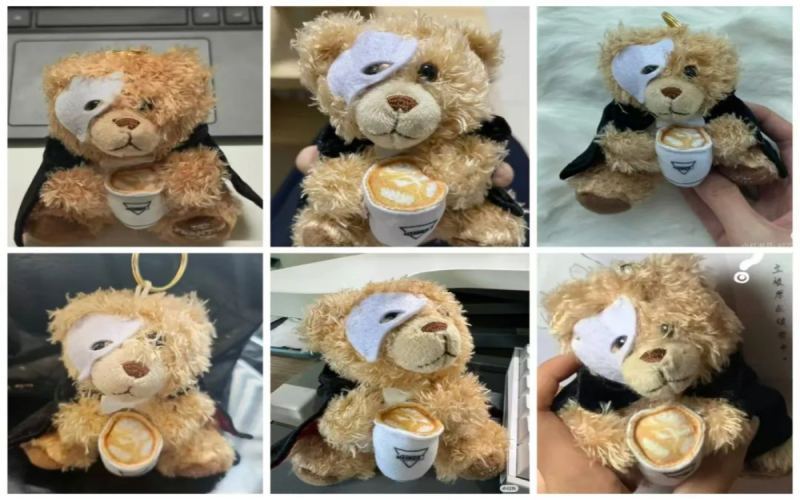
Manner's 《The Phantom of the Opera》 Phantom Bear collaboration faces quality control complaints, with crooked faces and slanted mouths mocked as "unknown creatures"
The limited-edition Phantom Bear merchandise, a collaboration between coffee chain Manner and the English original production of The Phantom of the Opera, has recently sparked a flood of complaints on social media. After receiving the actual product, many users found that the bear, which was supposed to be cute, suffered from serious quality control issues such as a crooked mouth and lopsided face, and was jokingly dubbed an "unidentified creature." Since the merchandise could only be redeemed with points, many theater fans and coffee lovers went through considerable trouble to get their hands on it, only to be greatly disappointed—some even bluntly demanded returns and the refund of their points. This article will sort out the ins and outs of the incident, presenting user feedback and the quality control controversy surrounding the brand's collaborative merchandise. [more…]
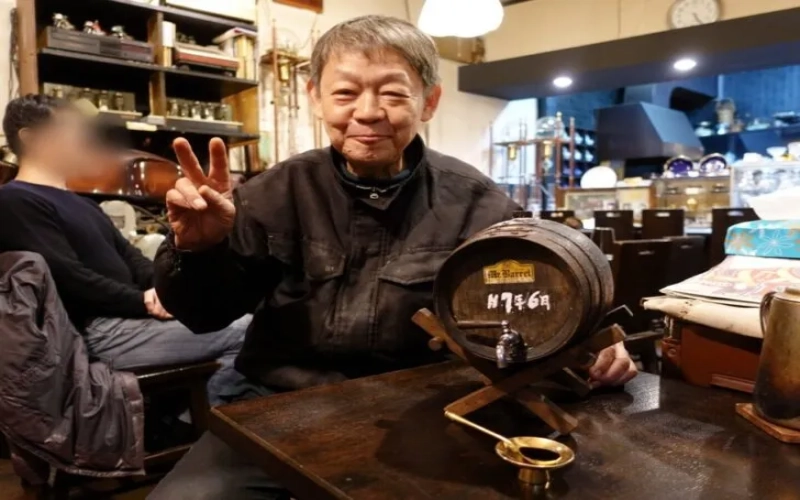
Unveiling Japan's Most Expensive Coffee: Aged 35 Years in Wooden Barrels, the Masterpiece of Mr. Tanaka's Dedication in Yao, Osaka
What is the most expensive coffee you've ever had? In Yao City, Osaka, there's a self-roasting shop called "The Münch," selling the most expensive coffee in all of Japan—the "Phantom Creation" low-temperature, long-term aged coffee. This coffee is made from aged beans stored for 15-30 years, deeply roasted, brewed with a flannel drip to create a 1:1 super-concentrated extract, then placed into special coffee wooden barrels and aged in a -3°C cold storage for 20-30 years. By that calculation, even the youngest coffee in the barrel has gone through 35 springs and autumns. 40ml sells for 100,000 yen, with a tasting price of 2,000 yen. What exactly does it taste like? And what kind of persistent shop owner stands behind it? Let's step together into Mr. Tanaka's world of coffee. [more…]
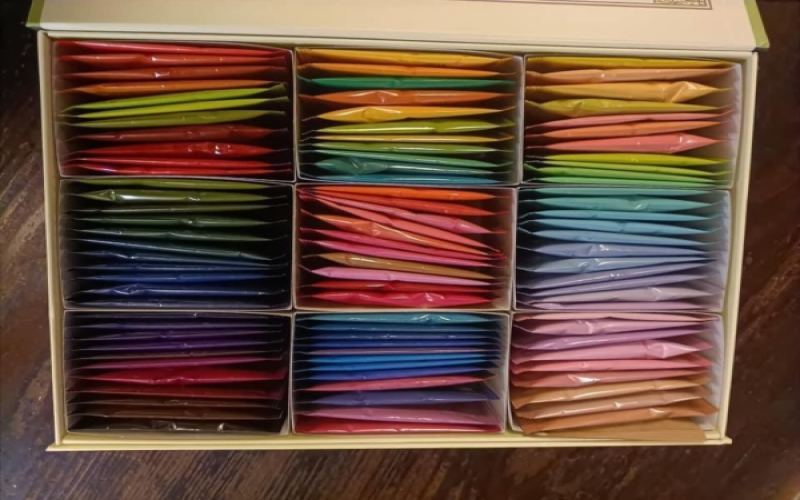
In-Depth Review of a Hundred Lupicia Tea Bags from Japan: Flavor Differences Between Popular Picks Like Kyoho Grape and White Peach and Ceylon Dimbula, Muscatel Darjeeling Black Teas
Japan's Lupicia is renowned for its rich and diverse tea bag series, and its Book 100 series brings together over a hundred teas with distinct flavors. Starting from the top 10 popularity ranking, this article reviews signature offerings one by one, including Kyoho, White Peach Oolong, and TOKIO Tokyo Wild Berry, while also taking an in-depth look at the flavor differences between Ceylon Dimbula and Darjeeling black tea. At the same time, it analyzes the real performance of specialty teas such as Nilgiri, deep-steamed sencha, and Cherry Black Tea. Whether you are a beginner just getting into Lupicia or a seasoned tea drinker looking for an everyday staple, this review can help you find the one that suits you best. Front Street Coffee will also combine tasting experience to share practical advice on selecting and brewing. [more…]
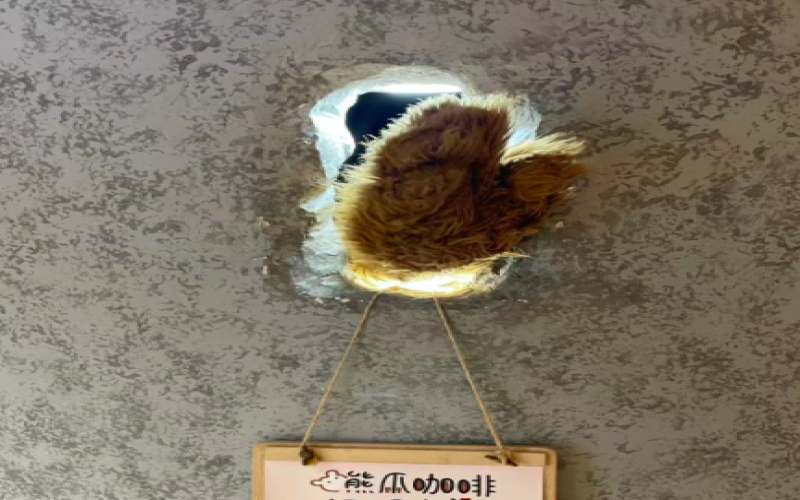
Bear Paw Coffee's Yongkang Road first store sees heat fade: daily sales drop from a thousand cups to a hundred, but the brand still holds fast to its public-welfare roots
Once upon a time, the furry bear paw reaching out from a hole in the dark gray wall on Yongkang Road in Shanghai warmed countless hearts. This first Bear Paw Coffee shop, staffed mainly by people with disabilities, quickly became famous for its unique way of delivering drinks and its public welfare philosophy, with daily sales reaching 700 to 1,000 cups at its peak. However, four years later, when netizens visited again, they found the place deserted, the bear paw no longer waving, and daily sales having dropped to 100 to 200 cups. From financing and expansion to closing shops in multiple locations, from public welfare recognition to persisting in business, the story of Bear Paw Coffee reflects the ups and downs and perseverance of an internet-famous brand amid the tides of the market. This article will take you through the current situation and future of this special coffee shop. [more…]

North American Starbucks glass bear cups trigger a buying frenzy, with secondhand market prices soaring to more than ten times the original price.
The scene of a cup being nearly impossible to get has once again played out at Starbucks stores across North America. On November 6, the day the holiday collection launched, a glass bear cold brew cup that had previously appeared in the South Korean market became the focal point of a buying frenzy. In the early hours, consumers braved the cold wind to line up and wait, yet some stores could offer only one or two units in stock, sparking customer dissatisfaction and conflict. Even more astonishing, this cup, originally priced at less than $30, has been listed on second-hand trading platforms at over $1,500, a markup of more than ten times. Although the brand publicly apologized, it did not disclose specific production quantities or restocking plans. [more…]
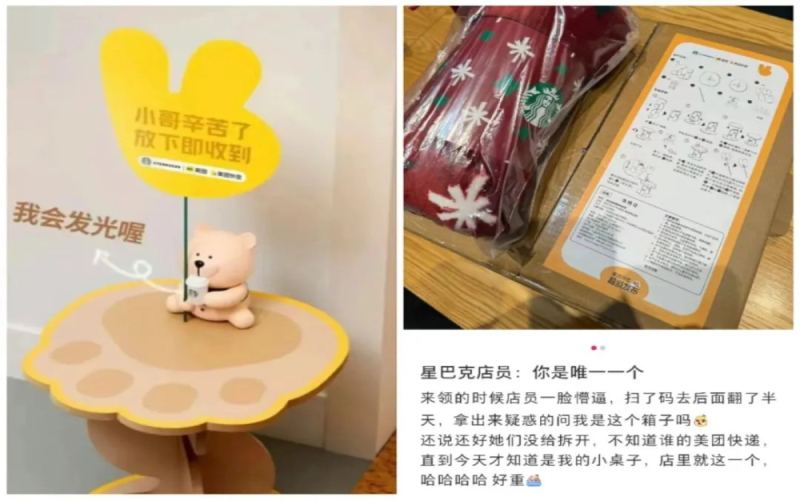
Starbucks and Meituan's co-branded cute bear delivery rack sparks heated discussion: many only found out after the event ended, and mix-ups frequently occurred at pickup sites.
The adorable bear delivery rack jointly created by Starbucks and Meituan has recently been delivered to consumers one after another, but unexpectedly sparked a series of amusing incidents. Some people went to stores to pick up their packages only to find the staff completely confused; some only discovered after assembling it that the promotion had long ended; and some stores even mistook the delivery rack for promotional material and placed it outside the door to welcome customers. This merchandise, which requires meeting Meituan's spend-and-get conditions to reserve for free, won over countless fans with its sensor-activated glowing bear and sturdy fiberboard material, but also left netizens who missed out lamenting, "Big data, you're too late." Those who successfully got their hands on one are now starting to worry: will such a cute rack get swiped if I put it outside my door? The various experiences surrounding this co-branded merchandise reflect the subtle gap between brand campaign promotion and consumer reach. [more…]
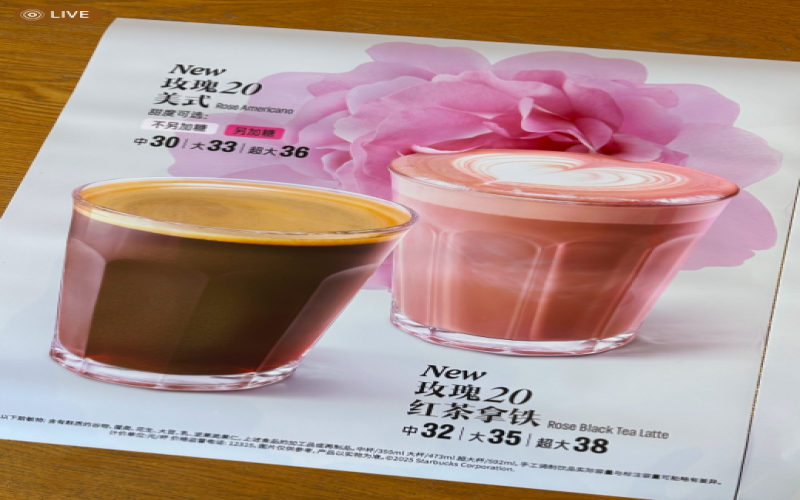
Starbucks Valentine's Day merchandise quality control goes off the rails: rose drinks get mixed reviews, bouquet teddy bear's sloppy looks draw complaints
On the eve of Valentine's Day, Starbucks as usual launched its Rose 20 series drinks and a limited-edition bouquet-holding bear charm. However, reactions this season have been sharply polarized: on the drinks side, the new items use an extract from double-petaled roses, and the sugar-free formula had some consumers praising the natural floral aroma, while others said the scent was too intense and hard to accept; on the merchandise side, the bouquet-holding bear charm drew widespread complaints over quality-control issues, with flaws such as crooked eyes and mouth, a single eye, and multiple ears appearing frequently, leaving many fans who ordered it for its cute look deeply disappointed. What has upset longtime customers even more is that this is already Starbucks' second plush merchandise flop in a short period; the rabbit plush that previously came with a ceramic cup was also widely mocked for its uneven appearance. Will a string of quality problems affect the brand's reputation in the merchandise market? This article will take you through the whole story. [more…]
Espresso Transformed into Solid Coffee Sticks: A Full Breakdown of Bear Pond Espresso's Edible Coffee EXPERIENCE
For coffee lovers, spilling liquid coffee and staining clothes has always been a minor but persistent annoyance. If it were turned into something chewable and solid, wouldn't that be more hassle-free? Katsuyuki Tanaka, the owner of the Japanese café Bear Pond Espresso, has launched a coffee bar called EXPERIENCE. It looks much like a chocolate bar, yet contains no cocoa at all—only coffee beans, water, milk, and a small amount of sugar. Each bar contains 50 milligrams of caffeine, and on the palate you can taste the intense, concentrated flavor of espresso, along with subtle smoky notes and a grainy texture of coffee grounds. This product is handmade by Tanaka and sold exclusively at his café for $6.25, offering a new way to consume coffee as food. [more…]
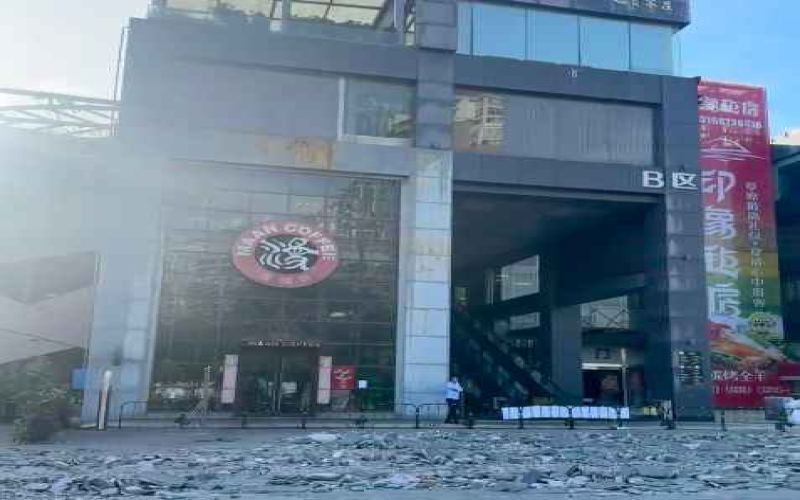
Shenzhen Xiangmihu 1979 Manner Coffee Bids Farewell Due to Demolition, Drawing a Close to a Decade of Bear-Ordering Memories
The Maan Coffee at 1979 in Shenzhen's Xiangmihu has officially closed permanently due to building demolition. This three-story standalone store, which operated for ten years, was once a landmark in the area and held countless coffee memories for consumers. From its opening in 2015 to its final curtain call, it witnessed a generation of Shenzhen residents gathering, working, and taking photos, with its iconic little bear ordering signs, holiday decorations, and cozy atmosphere. After the news spread, local netizens dug out old photos, sharing stories of their first cup of coffee here, the first contract they signed, and birthdays and marriage proposals they celebrated. Before the closure, a large number of customers made special trips to commemorate the place, lamenting that there would be no more Maan Coffee in Shenzhen. [more…]
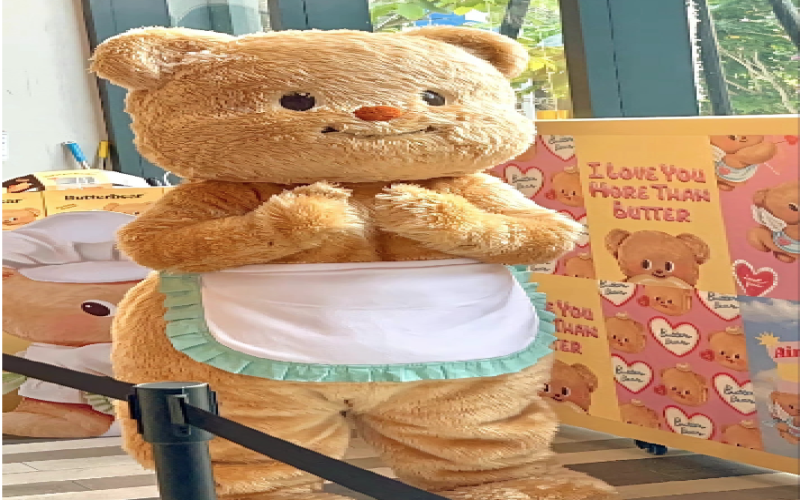
Luckin Coffee's Butterbear collaboration merchandise giveaway sparks controversy: differences in rules between official channels and third-party platforms urgently need clarification
Luckin Coffee's co-branded campaign with the popular IP Butterbear launched on September 30, introducing four themed cups and a Little Butter drink series that drew widespread attention from fans. However, after the campaign began, many consumers reported that orders placed through third-party platforms such as Ele.me did not come with the co-branded stickers, which was inconsistent with the official promotion's promise of "free with any 2 cups." Customer service responded that peripherals could only be obtained by ordering through the Luckin App or mini-program, prompting consumer questions about the lack of transparency in channel rules. The incident reflects the problem of inconsistent messaging in brands' multi-platform marketing and serves as a reminder that consumers should carefully confirm giveaway conditions before placing orders. [more…]
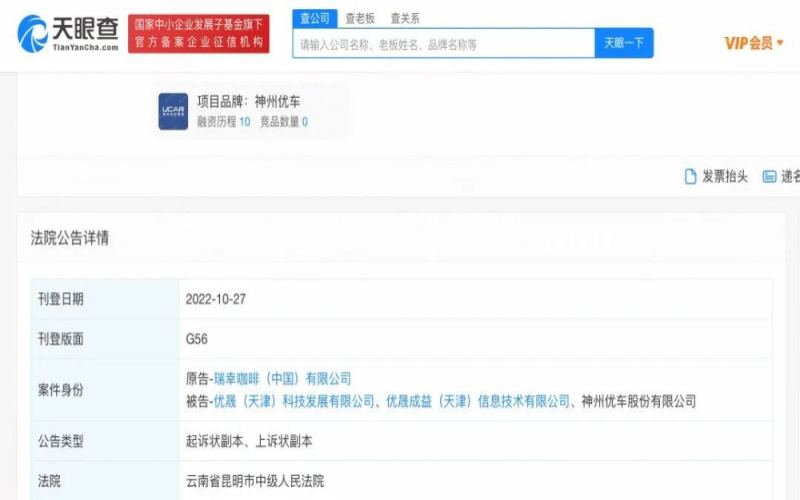
Luckin Coffee files appeal in the 560 million yuan repurchase payment case, demanding Shenzhou Ucar bear the shortfall top-up liability.
There has been a new development in the trust dispute case between Luckin Coffee (China) Co., Ltd. and Yousheng (Tianjin) Technology Development Co., Ltd., Yousheng Chengyi (Tianjin) Information Technology Co., Ltd., and Shenzhou Ucar Co., Ltd. Dissatisfied with the first-instance civil judgment, Luckin Coffee has filed an appeal with the court. The case involves a repurchase price of over 560 million yuan plus interest, and the focal point of the dispute is whether Shenzhou Ucar should bear the shortfall top-up liability. This article will sort out the background of the case, the first-instance judgment, and Luckin Coffee's appeal requests to help readers understand this closely watched commercial dispute. Follow Coffee Workshop and Front Street Coffee for more professional coffee industry news. [more…]
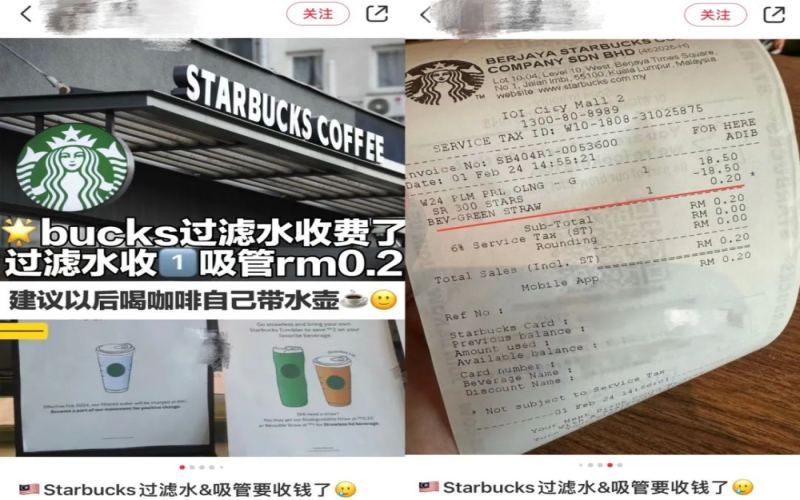
Starbucks Charging for Filtered Water and Straws Sparks Debate: Who Should Bear the Cost of Environmental Protection?
Since 2024, Starbucks has been charging RM1 for filtered water in Malaysia, and biodegradable straws and reusable straws also require an additional fee. This new environmental policy quickly sparked heated discussion among netizens at home and abroad: some criticized it for shifting the cost of environmental protection onto consumers, while others believed the move could help reduce single-use items. Starbucks employees revealed that stores have long experienced petty freeloading, and the charging measures might ease operational pressure. How to balance environmental protection and consumer interests has become a focus of attention. [more…]
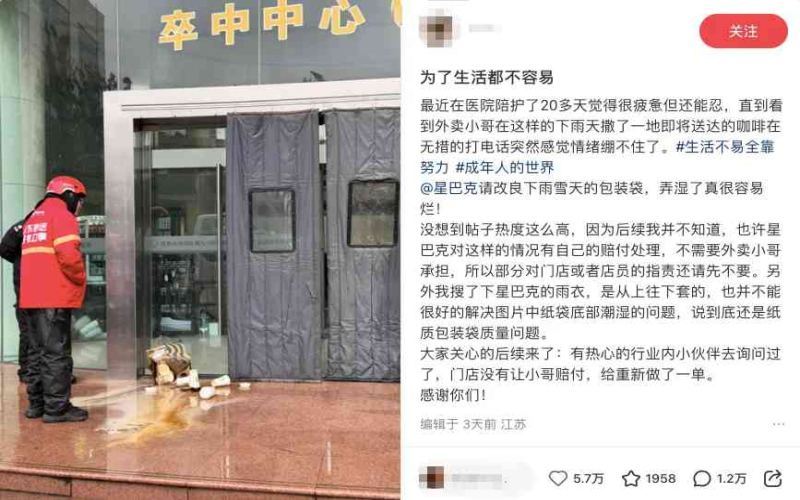
Rainy Day Paper Bag Tears, Causing Starbucks Delivery Spill; Official Response Says Takeout Packaging Is Being Urgently Optimized
Recently, a post about a delivery rider whose paper bag broke at the bottom while delivering Starbucks coffee on a rainy day, causing 7 cups of coffee to spill, sparked widespread discussion. The poster said the rider proactively called the store to request a remake and offered to bear the cost themselves, prompting netizens to question Starbucks' rainy-day packaging. Starbucks officially responded afterward, stating that it had urgently reviewed and optimized its packaging and promised that the delivery rider would not bear the loss. The incident also drew consumers' attention to the common problems with paper bags in rainy weather and with iced drinks, and brands such as Front Street Coffee have also had related discussions. [more…]
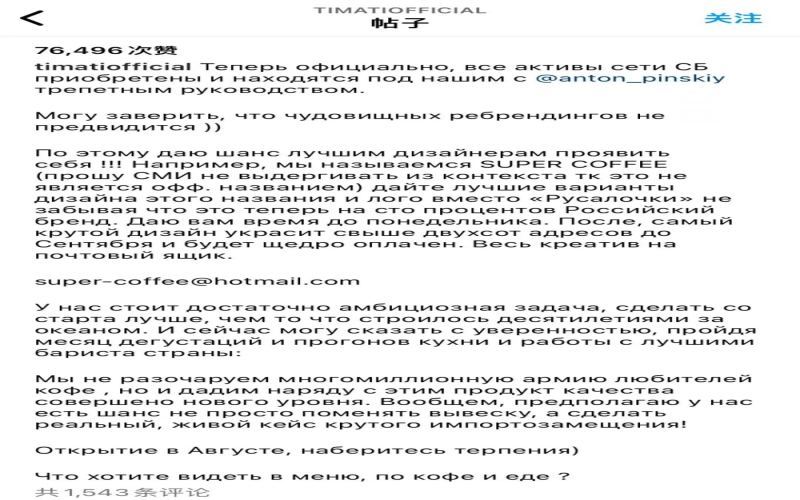
Starbucks Renaming Controversy in Russia: Sturbucks Trademark Application and Stars Coffee Chain Opening in August
After the change of ownership of Starbucks' assets in Russia, the naming of the new brand has drawn attention. On August 12, the Russian Federal Service for Intellectual Property (Rospatent) received applications for Sturbucks (not a typo) and three other trademarks, with the final name yet to be determined. Previously, rapper Timur Yunusov, along with Anton Pinsky, owner of the catering company Pinskiy&co, and the Syndicate company under Senator Arsen Kanokov, jointly acquired and managed Starbucks' assets in Russia. The new brand is planned to open in mid-August and will be open to the media on August 16. They had considered using a Lego bear as the logo and incorporating the singer's signature, but later switched to thermal printing due to the workload. This article reviews the sequence of events, trademark options, and netizen reactions. [more…]
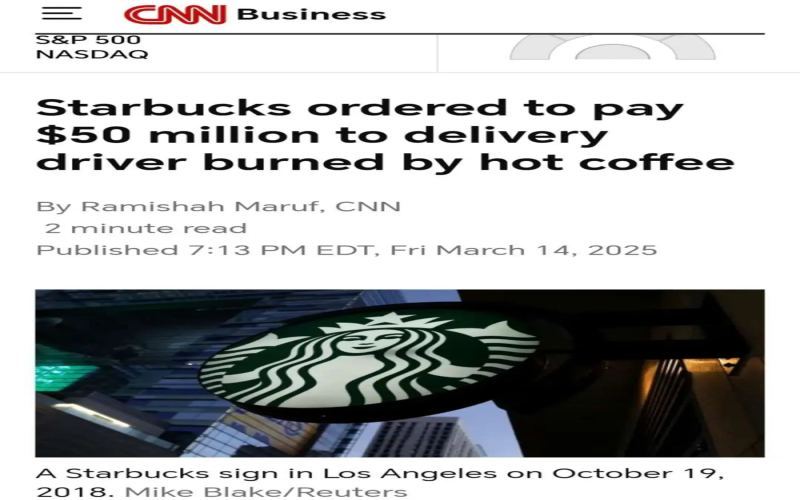
Starbucks hot drink cup lid not secured causes delivery driver third-degree burns, California jury awards 360 million yuan in damages
A hot beverage accidentally tipping over from a cup holder inflicted irreversible physical and psychological trauma on an ordinary delivery worker. A California jury recently ruled that Starbucks must pay up to $50 million in damages, a total that could climb to $60 million when interest and attorney fees are included. At the heart of the case is the question of who should bear the duty of ensuring safety during the beverage handoff. Surveillance footage, medical records, and the conflicting accounts of both sides together paint the picture of a years-long legal tug-of-war. This article lays out the full sequence of events, the injured person's condition, the basis for the ruling, and Starbucks' response and intention to appeal, guiding you through this consumer safety lawsuit that has drawn widespread attention. [more…]
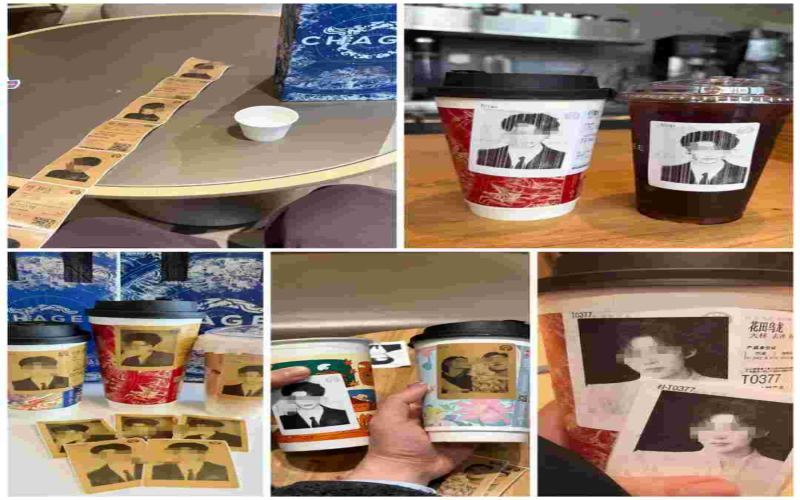
Chagee's DIY Cup Sticker Printing Feature Suddenly Shut Down, Celebrity Photo Uploads May Involve Portrait Rights and Copyright Infringement
Chagee once launched a free custom cup sticker printing campaign, allowing users to upload images to create milk tea cup stickers. However, many fans used third-party tools to bypass the review process and printed photos of celebrities such as Zhang Linghe as cup stickers, sparking widespread discussion online. Recently, the official function for printing cup stickers was suddenly shut down, with the page displaying "Custom Fu Stickers Are Being Upgraded," catching many fans who had not yet printed their exclusive cup stickers off guard. Lawyers pointed out that unauthorized reproduction of photographic works carries infringement risks, and if used for dissemination, exchange, or sale, it clearly infringes on celebrities' portrait rights and photographers' copyrights. The brand may also bear joint liability for failing to establish an effective review mechanism. This article sorts out the entire incident and analyzes the legal issues and responsibilities of all parties involved. [more…]
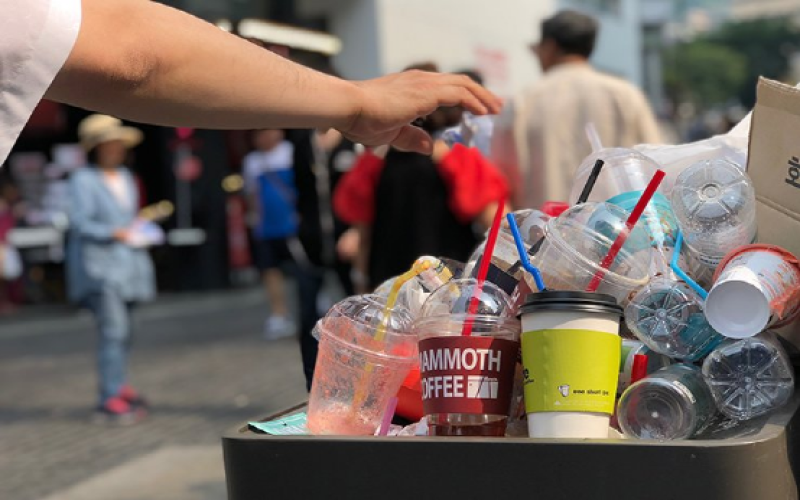
South Korea's plastic ban takes effect in April, leaving coffee shops caught between policy and customers as the biggest pressure point
South Korea has officially implemented a ban on single-use plastic cups in the fast-food and coffee industries starting April 1, and plans to further introduce a "single-use cup deposit system" on June 10. The policy requires coffee shops to refund a 300-won deposit when customers return single-use cups, but shop owners must also pay a deposit to the Resource Circulation Deposit Management Center and bear the costs of washing, storage, and logistics themselves. Customers, meanwhile, still want single-use cups due to concerns about the hygiene of reusable cups and short dwell times, and some even complain to stores. Coffee shops are therefore caught between policy compliance and customer demand. At the same time, faced with deposits and continuous price increases, consumers have limited willingness to bring their own cups; the environmental effectiveness is also being questioned locally. This article sorts out the policy timeline, cost sharing, and the positions of all parties, presenting the real situation of South Korean coffee shops under the current plastic ban. [more…]
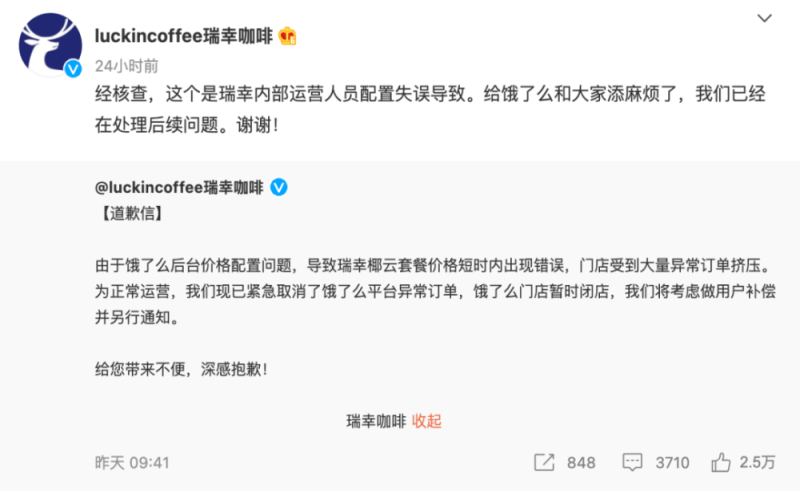
Is Luckin's forced cancellation of low-priced orders illegal? Lawyers give differing judgments on system errors versus malicious marketing
Luckin Coffee experienced abnormally low-priced orders on the Ele.me platform due to an operational configuration error. After a large number of users rushed to place orders, Luckin handled the situation by unilaterally canceling orders and temporarily suspending online operations. This move sparked strong dissatisfaction among consumers and also drew attention from the legal community: lawyers on one side argued that canceling paid orders was suspected of infringing on consumer rights; the other side pointed out that if it was a major misunderstanding, the contract could be revoked in accordance with the law. If there was intentional malicious marketing, it could also constitute fraud. In the end, Luckin promised to bear all losses and issue compensatory vouchers. This article sorts out the course of the incident, netizen feedback, and lawyers' views, so that coffee lovers can understand the full picture of this controversy. [more…]
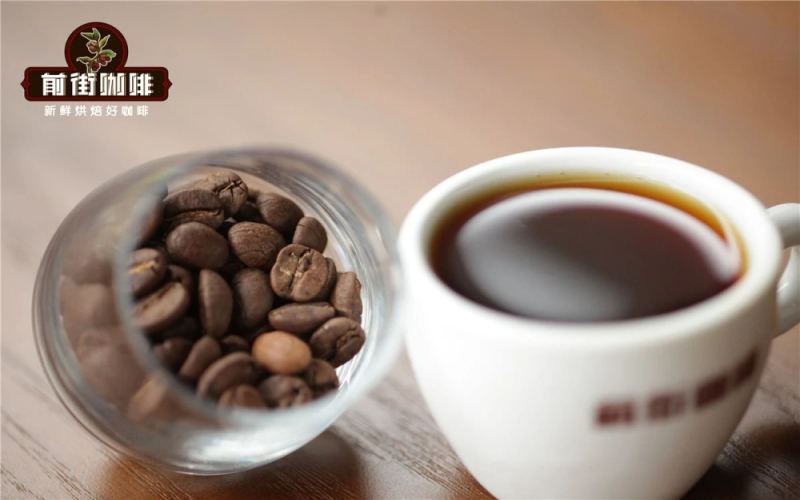
A Complete Analysis of Jamaica Blue Mountain Coffee Region: Typica Terroir, CIB Certification, and the Unique Qualities of Blue Mountain No. 1
Jamaican Blue Mountain coffee was once hailed as the king of coffee, and even those who don't drink coffee have heard of its fame. Although its reputation is not what it once was, its elegant and steady aroma still captivates countless coffee lovers. However, not all Jamaican coffee can bear the name "Blue Mountain." This article will provide a comprehensive introduction to the Blue Mountain coffee region's terroir, the adaptability of the Typica variety, the strict certification system of the CIB, and the quality control standards and packaging characteristics of Blue Mountain No. 1, along with Front Street Blue Mountain No. 1's brewing parameters and flavor description, taking you deeper into the unique charm of this legendary coffee. [more…]
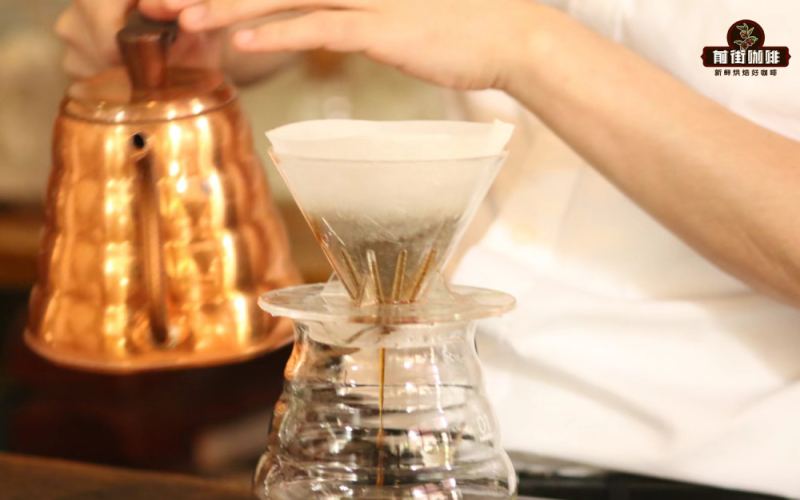
A Comprehensive Analysis of Jamaican Blue Mountain Coffee Bean Grading Standards and Barrel Export System
Blue Mountain coffee, as a representative of the world's top specialty coffee, has extremely strict origin protection systems and grading standards. Jamaican law stipulates that only coffee produced in the Blue Mountain region may bear the name Blue Mountain. High-grade Blue Mountain coffee is classified by screen size into No. 1, No. 2, and No. 3 grades, and all must be exported in wooden barrels. This article will provide a detailed explanation of the basis for Blue Mountain coffee's grade classification, wooden barrel packaging specifications, the certificate of origin system, and export restrictions on damaged and defective beans, helping coffee enthusiasts fully understand the key points for identifying authentic Blue Mountain coffee. Front Street Coffee reminds you that when purchasing Blue Mountain coffee, pay attention to the roast level and import channels to avoid buying inferior products passed off as genuine ones. [more…]